







Search Results for: Harar Mocha

Why Has Harar Coffee Gone from One of the Big Three Regions to Scarce? A Deep Dive into Its Historical Origins and Current Situation
Harar was once known, alongside Sidamo and Yirgacheffe, as one of Ethiopia's three major coffee regions, and it took the world by storm with its wild chocolate and red wine fermentation flavors. Yet today it is rarely seen on the market. This article begins with the historical origins of Yemen's Port of Mocha, traces the rise of Harar coffee, and takes a deep look at the multiple reasons behind its sharp decline in production, unstable quality, and the imbalance between price and quality, giving you a clear view of the entire process by which this legendary region fell from prosperity to decline. Finally, it includes the store information for Front Street Coffee. [more…]
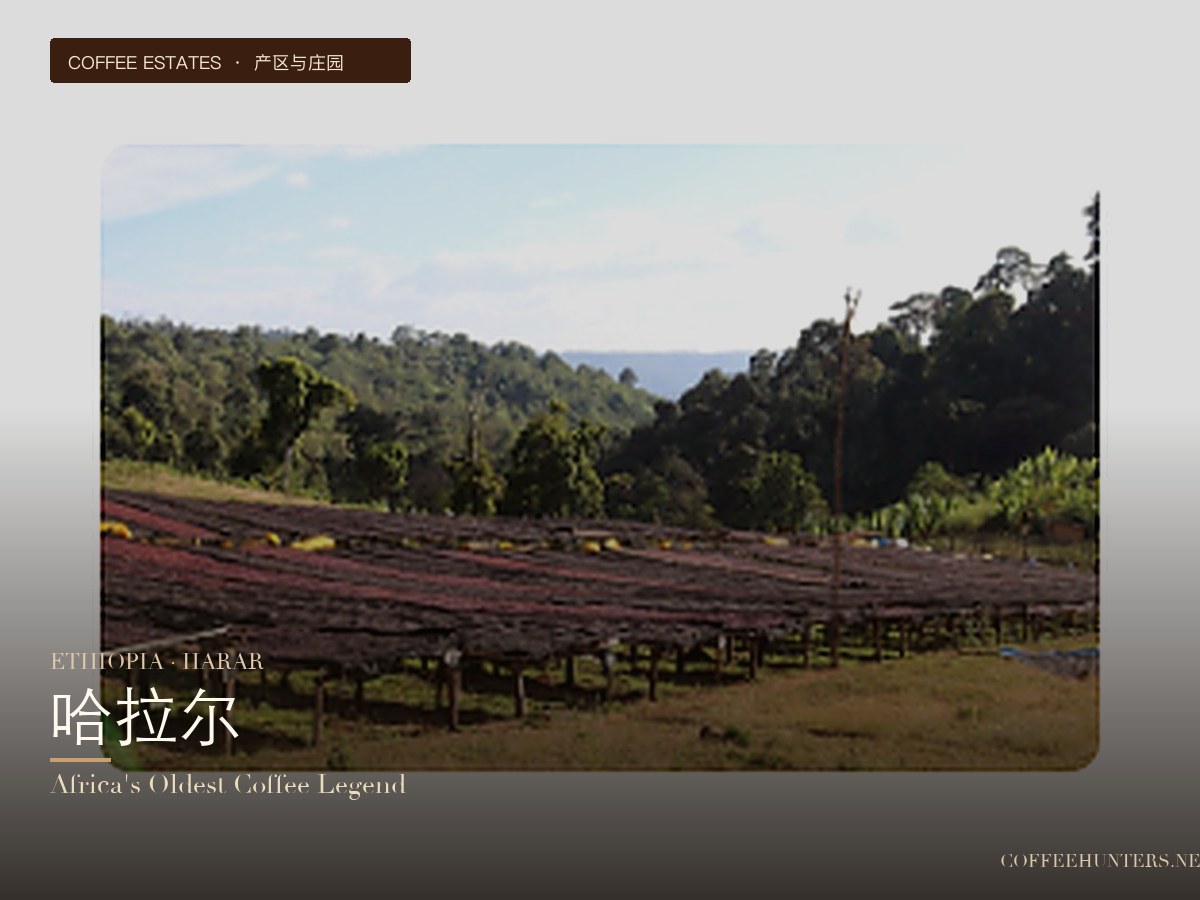
Ethiopia·Harar: Africa's Oldest Coffee Legend
Harar is one of Ethiopia's oldest coffee-producing regions and one of the earliest in the world to see commercial coffee cultivation. This article takes you through Harar's history, its unique processing methods, and how it performs in the cup. [more…]
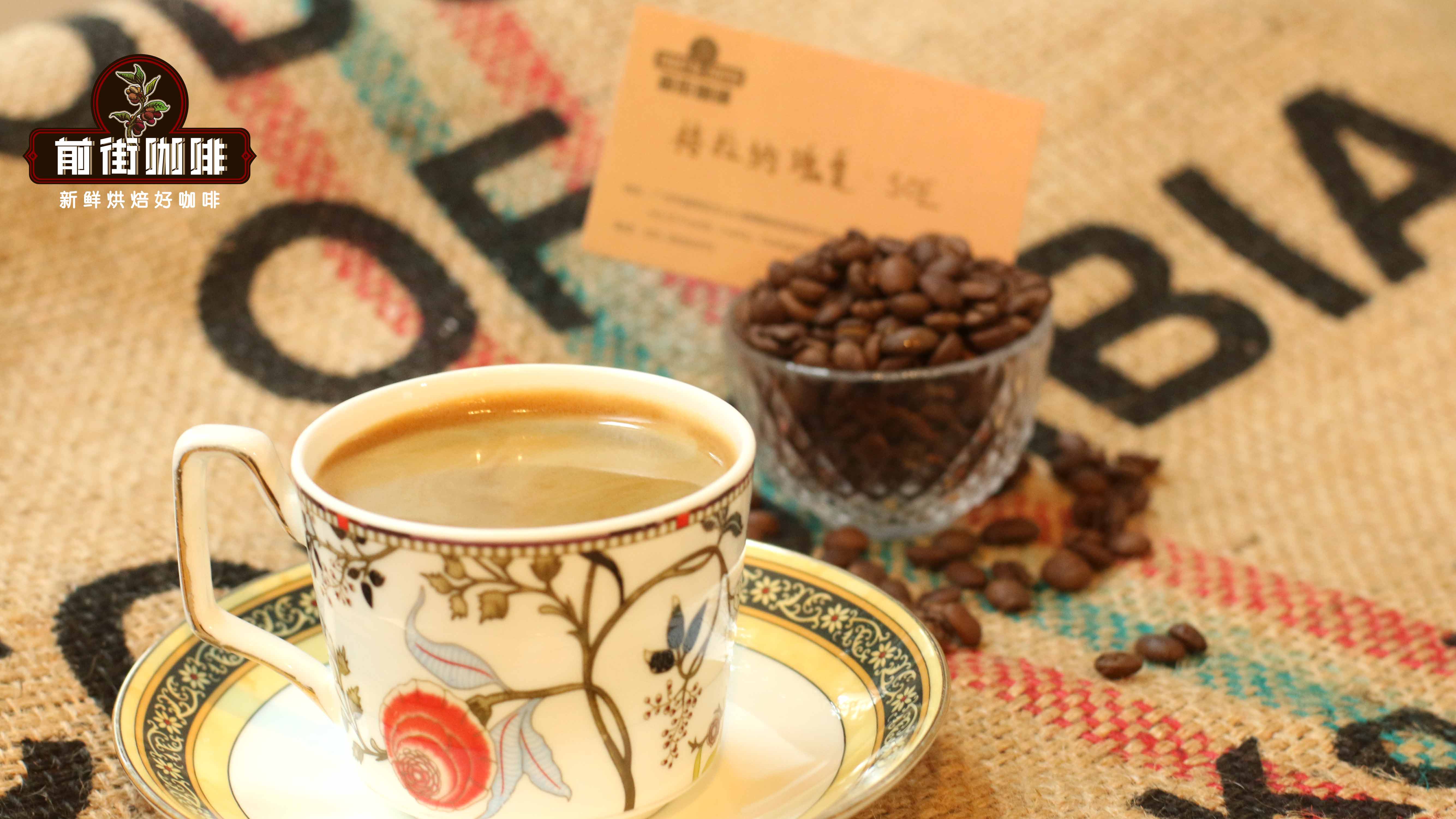
Exploring Ethiopian Harar Mocha Coffee Beans: The Unique Fruity Aroma of African Estates and Front Street Coffee's Geisha Recommendation
Ethiopia, as the birthplace of coffee, has nurtured countless coffee beans with unique flavors. Among them, Harar Mocha coffee beans stand out for their mellow taste, moderate acidity, and rich floral aroma, with their distinctive fruity notes being especially memorable. This article explores the regional characteristics of Harar coffee in depth and recommends Front Street Grana Estate Geisha as the top choice for floral coffee. Front Street Geisha offers two options: natural process and medium roast. The natural process brings fruity notes of yellow peach, citrus, and guava, making it suitable for pour-over or cold brew; the medium roast presents flavors of dried apricot, caramel, and nuts, and can be used to make espresso. Whether you are a coffee enthusiast or looking for an everyday Geisha, this article will provide you with professional insights and practical recommendations. [more…]
How Are Blue Mountain, Mocha, and Mandheling Different? A Full Analysis of the Flavor Characteristics of Three Classic Single-Origin Coffee Beans
The naming of coffee beans is mostly closely related to their place of origin or distribution hub, and Blue Mountain, Mocha, and Mandheling are three of the most representative classic single-origin coffees. Blue Mountain comes from the Blue Mountains of eastern Jamaica, where fertile volcanic soil and a year-round misty, rainy climate produce a top-tier flavor with a perfect balance of sweetness, acidity, and bitterness, and no trace of harshness; Mocha originates from Ethiopian coffee exported through the Yemeni port of Mocha, and is known for its elegant, distinctive sweet-acidic-bitter profile and smooth mouthfeel, with Harar even hailed as "the coffee of the wilderness"; Mandheling, meanwhile, grows on the slopes of Sumatra at elevations of 750 to 1,500 meters, offering a rich aroma, full body, and slight notes of chocolate and syrup. This article will guide you through these three coffees one by one—their origin backgrounds, flavor characteristics, and ways to enjoy them—along with purchasing suggestions from Front Street Coffee. [more…]
Ethiopian Harrar Mocha Coffee Bean Flavor Analysis: From Origin to Aroma in the Cup
Ethiopia is the birthplace of coffee and one of the most important Arabica-producing countries in the world. The Harar region is located at a high altitude, and the mocha coffee beans it produces are famous for their medium acidity, exotic flavors, and dried-fruit aroma. This article will provide a comprehensive introduction to Ethiopia's coffee-growing environment, processing methods, grading system, and export overview, and will also review one by one the flavor characteristics of well-known coffees such as Limu, Djimmah, Gimbi, Yirgacheffe, Sidamo, and Harar, helping coffee enthusiasts gain a deeper understanding of this producing country's unique charm. [more…]
An Overview of the Origins, Terroir Evolution, and Producing Region Cultural History of Ethiopian Shakiso Specialty Coffee
Ethiopia is the birthplace of Arabica coffee, and its southwestern highland forest ecosystem is widely recognized as the original home of coffee. This article provides a systematic overview of the distribution and characteristics of Ethiopia's major coffee-producing regions, including classic renowned areas such as Sidamo, Harar, and Yirgacheffe, as well as specialty micro-regions like Limu, Gimma, Lekempti, Bebeka, and Wollega. It details the altitude, processing methods, flavor profiles, and annual production data of each region, and introduces Front Street Coffee's product lineup, including Harar, Wollega, Limu, Sidamo, and Yirgacheffe. It also presents Ethiopia's rigorous quality control system—from picking, washing, and fermentation to hand sorting—offering you a comprehensive understanding of the diverse terroir and exceptional quality of this coffee homeland. [more…]
Front Street Ethiopian Washed Harar Coffee Beans: A Rare Flavor of Orange Peel Interwoven with Black Tea
On the eastern highlands of Ethiopia, Harar is an ancient city with a deep heritage in the coffee trade. The coffee produced here has always been known for the fruity and wine-like notes of its natural beans, while washed Harar is an extremely rare specialty lot, with a defect rate of only 1%, supplied exclusively to the specialty coffee market in scarce quantities. This Front Street washed Harar is sourced from surrounding growing areas at an altitude of about 2,600 meters, of the Heirloom variety, mainly longberry beans. Under medium-light and medium roasts, it presents a complex flavor interweaving honey sweetness, orange peel, fine black tea, and chocolate, with a solid body and a long finish. This article will guide you through the background of the Harar growing region, the rarity of the washed process, and how the flavors of this bean change under three roast levels, so you can experience its unique exotic charm. [more…]
Kenya AA vs. Yirgacheffe Flavor Comparison: A Full Analysis of the World's Top Ten Specialty Coffee Origins and Roasting Recommendations
Yirgacheffe and Kenya AA are often discussed together, and their flavors do share certain similarities, but which one suits you better has no absolute answer. Front Street Coffee believes that taste preference is essentially a highly personal experience, shaped by multiple factors such as genetics, upbringing, dietary history, and emotional state. Therefore, rather than following the judgments of so-called connoisseurs, it is better to try coffees from different origins yourself. This article systematically reviews the origin characteristics and recommended roast levels of ten representative specialty coffees from around the world, including Tanzania, Hawaiian Kona, Nicaragua, Sumatra, Sulawesi, Mocha Java, Harar, Yirgacheffe, Guatemala Antigua, and Kenya AA, with Jamaican Blue Mountain included as an honorable mention, to help coffee enthusiasts build a more comprehensive framework for understanding flavor. [more…]
A Complete Analysis of the Flavor and Mouthfeel of G1 Grade Coffee Beans from Ethiopian Regions Such as Yirgacheffe and Sidama
As the birthplace of coffee, Ethiopia boasts numerous coffee regions with distinctive characteristics. Among them, Yirgacheffe, Sidamo, and Harar are the most well-known, while the G1 grade represents the highest quality coffee beans in the country. This article will take you on an in-depth journey through the terroir and characteristics of Ethiopia's nine major coffee regions, from the rich fruity aromas of Yirgacheffe to the delicate floral notes of Sidamo, from the wild mocha of Harar to the balanced flavors of Jimma, and will provide a detailed analysis of the flavor profiles and tasting characteristics of G1 grade coffee beans from each region, offering coffee lovers a complete guide to Ethiopian coffee. [more…]
An Analysis of Ethiopian Coffee Bean Varieties and Characteristics: Trading Models and Flavor Regions in the Country with the World's Richest Coffee Diversity
Ethiopia is hailed as the Garden of Eden of coffee, the birthplace of heirloom coffee varieties and a global treasure trove of coffee genetics. Within its borders lie thousands, even tens of thousands, of coffee varieties, most of them wild and undiscovered. Coffee production involves approximately 15 million people, primarily organized through smallholder cooperatives, and accounts for more than half of the country's GDP. The East African Rift Valley divides the growing regions into eastern and western walls; the east is represented by Harar, Sidamo, and Yirgacheffe, while the west includes Lake Tana, Gimbi, and Limu. The government centralizes grading and sales through the ECX exchange and registers trademarks to protect quality. Coffee is produced under four models: forest, semi-forest, garden, and plantation. The coffee ceremony is furthermore an ancient and elegant national art of Ethiopia. Front Street Coffee recommends that you delve deeper into the coffee culture of this mysterious country. [more…]
The Origin of African Coffee, Ethiopia: A Full Analysis of Production Regions, Processing Methods, Grading Systems, and Flavor Characteristics
Ethiopia is recognized as the birthplace of Arabica coffee, and wild coffee trees still grow in the Kafa forests to this day. Coffee from this country is mainly processed in two ways—natural (sun-dried) and washed—and the flavor differences brought by different processing methods are quite pronounced. The main producing regions include Sidamo, Harar, and Yirgacheffe, along with other small specialty regions such as Limu, Djimmah, Lekempti, Bebeka, and Wellega. Ethiopia's coffee grading system is relatively complex, as the grade standards for washed and natural coffees differ. Coffees from different regions each have their own characteristics in bean shape, acidity, body, and flavor: Harar has a typical mocha note, Yirgacheffe is known for its floral aroma, and Limu is rich in vinous notes. Front Street Coffee recommends that enthusiasts who love African beans pay particular attention to washed batches from Yirgacheffe and Sidamo. [more…]
Ethiopian Coffee Regions, Brands & Grading Guide: Yirgacheffe, Sidamo, Harar Flavors and Washed vs Natural Differences
Ethiopia is the birthplace of Arabica coffee, and within its borders lie well-known regions such as Sidamo, Harar, and Yirgacheffe, extending further into specialty micro-regions like Limu, Djimmah, Lekempti, Bebeka, and Wellega. Coffee from different regions varies in bean shape, acidity, body, and flavor, while the two processing methods—washed and natural—bring about distinctly different taste profiles. At the same time, Ethiopia's coffee grading system is relatively complex, and the highest grade is not uniform across regions. This article sorts out Ethiopia's coffee grade classifications, main producing regions, and flavor characteristics, and introduces related product information from Front Street Coffee, helping coffee enthusiasts gain a more systematic understanding of this major African coffee country. [more…]
The Difference Between Single-Origin Coffee and Blended Coffee: A Comprehensive Analysis of Types, Blending Methods, and Flavor Characteristics
For coffee enthusiasts, understanding the difference between single-origin coffee and blended coffee is an important step in exploring the world of coffee. Single-origin coffee centers on beans from a single origin, emphasizing the unique character of regional flavors; blended coffee, through the skillful blending of multiple beans, pursues balance and complexity in taste. This article systematically sorts out the definitions, representative types, blending ratios, and flavor characteristics of the two, from Blue Mountain and Colombia to Mandheling, from cappuccino to mocha, helping readers comprehensively master knowledge of coffee classification. At the same time, the article also specially recommends related products from Front Street Coffee, providing professional reference for your coffee purchases. [more…]
Ethiopian Natural Yirgacheffe: An In-Depth Analysis of Red Cherry Selection, G1 Grade, and Flavor Profile
Sun-dried Yirgacheffe is renowned for its almost stringent red cherry harvesting and multi-layered manual sorting, resulting in a clean, refined quality and alluring fruity aromas. In the 2015 crop season, G1 sun-dried beans even surpassed the quality of G1 washed beans. This article provides a complete overview of its processing flow—from hand-picking cherries and sun-drying for about two weeks until moisture content drops to 12%, to hulling, density and bean color screening, and manual re-sorting. It also shares the brewing experience: prominent sweetness, with notes of citrus and jasmine, like a symphony of Harar, Yemen Mocha, and washed Yirgacheffe flavors. The article also reviews the regional transformation after the introduction of washing technology in 1972, as well as the wonderfully diverse and delightful taste profile under the pastoral coffee-growing environment. [more…]
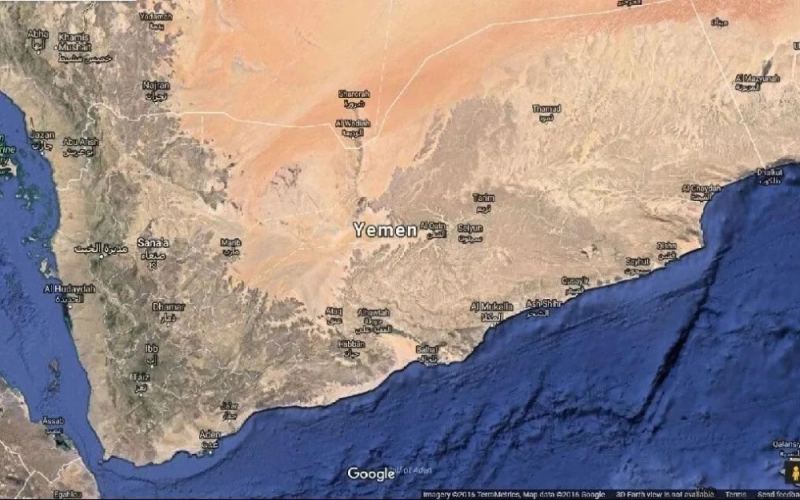
Why Does Yemeni Mocha Have a Wild Character? Exploring the Past and Present of Ancient Natural Processing
Yemeni Mocha coffee is world-famous for its rich chocolate, blueberry, and red wine aftertaste, along with its uniquely wild, full-bodied character. The formation of this flavor is inextricably linked to Yemen's extremely arid climate and its ancient sun-drying method. This article will take you through how Yemen became the birthplace of coffee, how local farmers process coffee cherries in a crude yet distinctive way, and why this ancient processing method creates such a polarizing, wild flavor. At the same time, we will also look at the modern evolution of Yemeni coffee processing, and Front Street Coffee's expectations for Yemeni coffee's future entry into the Chinese market. [more…]
A Complete Analysis of Ethiopian Coffee Origins, Flavors, and Grading: Variety Characteristics from Sidama to Yirgacheffe
Ethiopia is the birthplace of Arabica coffee. Thanks to its unique natural conditions and a coffee-growing culture passed down through generations, it has produced specialty coffees of widely varying styles. This article systematically reviews the growing environment, cultivation models, and grading system of Ethiopian coffee, with a focus on the flavor characteristics and production data of major regions such as Sidamo, Yirgacheffe, Limu, Djimmah, and Harar, and also analyzes its quality control and export trade landscape. Whether you are a beginner just getting into single-origin coffee or a seasoned drinker looking for an everyday staple, understanding the grading and flavor logic of Ethiopian coffee is an important step in building your coffee knowledge system. Front Street Coffee will also combine the characteristics of each region to recommend Ethiopian coffee beans worth trying. [more…]
Exploring Ethiopia's Specialty Coffee Regions: A Guide to Five Single-Origin Varieties, Flavors, and Recommendations
Ethiopia, as the birthplace of coffee, hides five small specialty regions—Limu, Djimmah, Lekempti, Bebeka, and Wellega—in addition to the well-known Sidamo and Harar. Coffee beans from each place are distinct in shape, color, acidity, body, and flavor: Harar carries classic mocha notes, Wellega stands out for its fruity taste, Limu is famed for its winey aroma, washed Sidamo is hailed as "sweet coffee," and Yirgacheffe is overflowing with floral notes. This article sorts through the varietal characteristics and flavor profiles of these regions one by one, and includes recommendations from Front Street Coffee, helping enthusiasts gain a more systematic understanding of the diversity of Ethiopian coffee. [more…]
A Detailed Guide to Ethiopian Coffee Flavor Characteristics: Region Distribution, Grading System, and Yirgacheffe Features
Ethiopia is not only the number one country in Africa for coffee production, but also the birthplace of the Arabica species, with wild coffee trees still growing in the Kaffa forests to this day. This article will systematically sort out the flavor characteristics and brewing suggestions for Ethiopian coffee: first looking at the taste differences brought by the two processing methods of natural and washed, then sorting out the grading rules from G1 to G5 and the geographical distribution of producing regions such as Sidamo, Harar, and Yirgacheffe, followed by interpreting one by one Harar's mocha character, Limu's vinous aroma, Sidamo's balanced sweetness, and Yirgacheffe's signature floral notes. At the end, Front Street's recommended V60 brewing parameters are attached to help you gain a comprehensive understanding of these beans from the birthplace of coffee. [more…]
The Cradle of African Coffee: A Complete Guide to the Origins of Ethiopian Arabica and the Flavors of Its Specialty Regions
Ethiopia is a genetic treasure trove of Arabica coffee and a holy land in the hearts of specialty coffee lovers worldwide. From the ancient legend of the shepherd in the Kaffa region to today's diverse cultivation systems, this land has given birth to countless fascinating flavors. This article will take you back to the origin story of African Arabica coffee, systematically sort out Ethiopia's coffee cultivation, processing methods, and grading system, and analyze one by one the flavor characteristics of well-known producing regions such as Limu, Djimma, Gimbi, Yirgacheffe, Sidamo, and Harar. Whether you are a pour-over beginner just starting out or a seasoned enthusiast looking for your next favorite bean, you can gain practical origin knowledge from it. Front Street Coffee will also combine regional characteristics to recommend Ethiopian specialty coffees worth trying. [more…]
A Complete Guide to Ethiopian Coffee Bean Regions: Heirloom Flavors, Nine Major Regions, and Representative Beans
Ethiopia is the birthplace of coffee, with rich heirloom genetic resources and diverse producing regions. This article systematically reviews Ethiopia's nine major coffee regions, including Yirgacheffe, Sidama, Harar, Gimma, and Limu, explaining in detail each region's altitude, processing methods, variety characteristics, and flavor differences. It also introduces several representative Ethiopian beans from Front Street Coffee, such as naturally processed Yirgacheffe Bolifi, Sidama Zhuomang, and washed Gimma and Limu, helping coffee enthusiasts gain a comprehensive understanding of the regional flavors of Ethiopian coffee and how to choose beans. [more…]